Featured Sessions Recommended For You
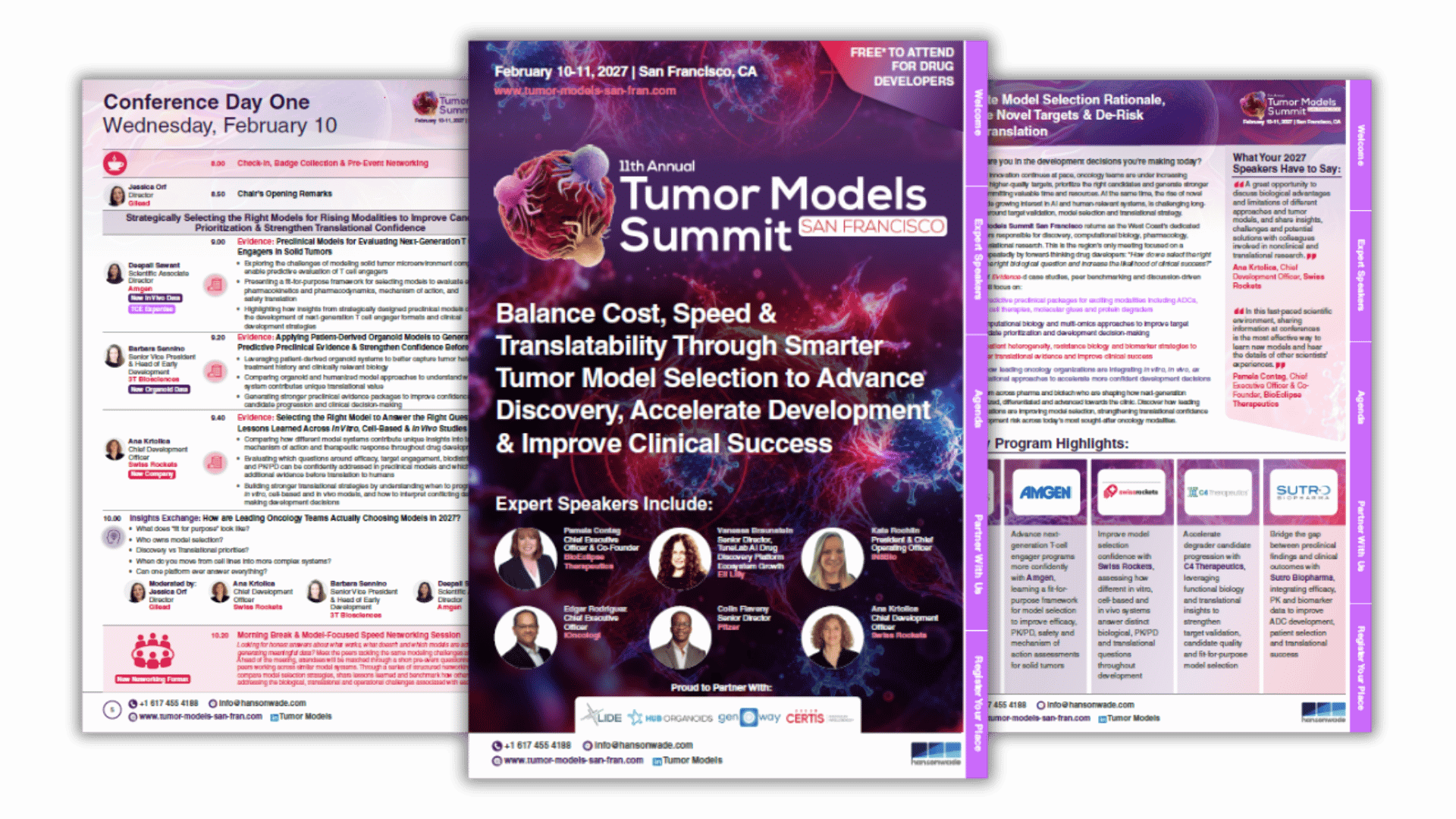
These featured sessions offer a snapshot of the insights you can expect at the 11th Tumor Models Summit San Francisco. Download the Full Event Guide to unlock the complete agenda, view session details, and explore our expert speaker faculty.
Applying AI/ML, & Computational Biology to Improve Model Selection, Biomarker Discovery & Translational Decision-Making
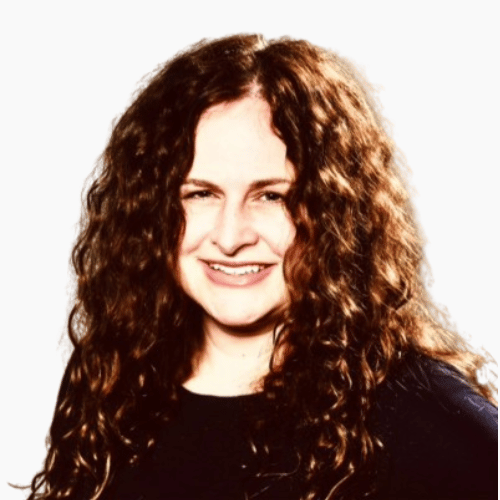
Evidence: Applying AI across Small Molecule & Antibody Discovery to Improve Candidate Selection, Reduce Development Risk & Accelerate Early R&D with Eli Lilly
Conference Day Two
- Leveraging AI-enabled drug discovery approaches to improve target selection, molecule design and candidate prioritization across small molecule and antibody programs
- Discussing challenges with what data to feed into the models and how diverse it is, how do you interpret and trust the outcomes from the models?
- Generating stronger decision-making frameworks that reduce development risk and accelerate progression of the most promising oncology assets
Speakers:

Combining Human-Relevant Models with Traditional Approaches to Advance Translational Certainty
Evidence: Moving Faster with Smarter Model Strategies to Improve Clinical Predictability & Reduce Development Timelines
Conference Day One
- Sharing practical lessons learned selecting between traditional in vivo models, mini- PDX systems, organoids and tumor-on-a-chip platforms across diverse modalities
- Understanding which biological and translational questions are best addressed through each model system and where complexity adds meaningful value
- Building more efficient development pathways by using fit-for-purpose models to prioritize candidates, support patient selection and strengthen confidence before clinical evaluation
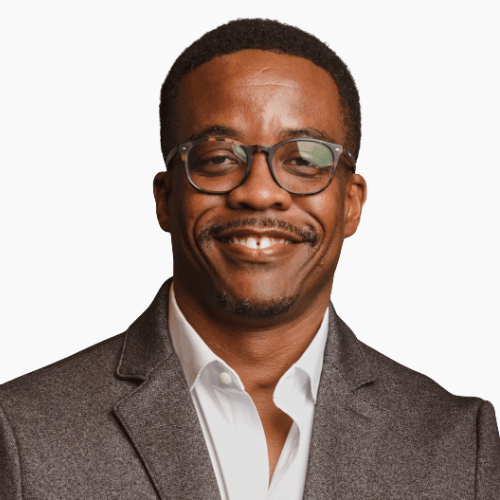
Speakers:
Strategically Selecting the Right Models for Rising Modalities to Improve Candidate Prioritization & Strengthen Translational Confidence
Evidence: Preclinical Models for Evaluating Next-Generation T Cell Engagers in Solid Tumors
Conference Day One
- Exploring the challenges of modeling solid tumor microenvironment complexity to enable predictive evaluation of T cell engagers
- Presenting a fit-for-purpose framework for selecting models to evaluate efficacy, pharmacokinetics and pharmacodynamics, mechanism of action, and safety translation
- Highlighting how insights from strategically designed preclinical models can inform the development of next-generation T cell engager formats and clinical development strategies
Speakers:

Explore the Full Event Guide
- Explore the full agenda focused on clinical translation, model selection and development risk reduction
- Discover how leading oncology teams are evaluating organoids, ex vivo systems, AI-enabled platforms and in vivo models
- Preview case studies from Amgen, Astellas, Pfizer, Eli Lilly and emerging biotech innovators
- Benchmark approaches to biomarker development, resistance modeling, and candidate prioritization
- Connect with the leaders responsible for oncology development strategy, portfolio decisions, and preclinical investment